
Root asymmetrical factions sets the stage for this enthralling narrative, offering readers a glimpse into a story that is rich in detail with creative and humorous language style and brimming with originality from the outset.
Get ready to dive into the captivating realm of asymmetrical factions in board games, where every move counts and every faction brings a unique twist to the gameplay.
Root Asymmetrical Factions

In the world of board games, asymmetrical factions refer to unique player factions or characters that have different abilities, goals, and playstyles. Unlike symmetrical games where all players start with the same resources and abilities, asymmetrical factions add variety and strategic depth to gameplay.Asymmetrical factions in board games impact gameplay dynamics by creating a diverse and dynamic experience for players.
Each faction offers a different set of strengths and weaknesses, requiring players to adapt their strategies based on their faction’s abilities and objectives. This leads to varied gameplay outcomes and encourages replayability as players explore different factions and their unique playstyles.
Examples of Popular Board Games with Root Asymmetrical Factions
- Root: In Root, players take on the roles of different factions such as the Marquise de Cat, the Eyrie Dynasties, the Woodland Alliance, and the Vagabond. Each faction has its own unique abilities and objectives, leading to asymmetrical gameplay experiences.
- Scythe: Scythe features asymmetrical factions with different starting resources, abilities, and mechs. Players control factions like the Nordic Saxony Empire, Crimean Khanate, and Rusviet Union, each with their own playstyle and goals.
- Terraforming Mars: In Terraforming Mars, players represent different corporations with varying abilities to terraform Mars. Each corporation has its own strengths and weaknesses, influencing gameplay strategies and decisions.
Strategies and Tactics
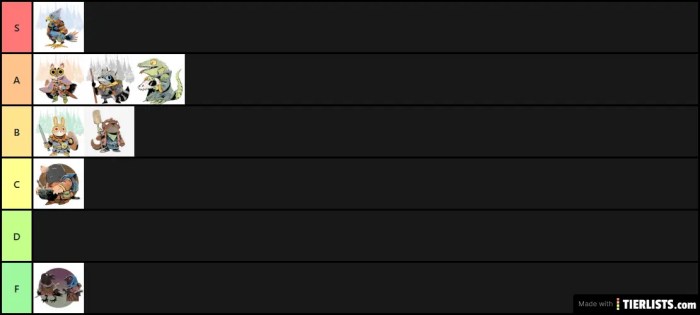
When it comes to playing Root with its asymmetrical factions, players must adapt their strategies and tactics based on the unique abilities and goals of each faction. This dynamic gameplay requires a mix of careful planning, adaptability, and a good understanding of the strengths and weaknesses of both your own faction and your opponents’.
Common Strategies
- Building an early game advantage by securing key territories or resources.
- Forming temporary alliances to take down a dominant faction or prevent another player from winning.
- Focusing on a specific win condition and tailoring your actions towards achieving it efficiently.
- Utilizing faction-specific abilities to gain an edge over opponents.
Adapting Tactics by Faction
- Marquise de Cat: Prioritize expanding your presence on the board and maintaining control over clearings.
- Eyrie Dynasties: Focus on building a strong decree and managing your leaders effectively to avoid turmoil.
- Woodland Alliance: Use sympathy tokens strategically to incite revolts and spread influence across the board.
- Vagabond: Balance building relationships with other factions while completing quests and gaining items.
Effectiveness of Strategies
- Aggressive expansion strategies can lead to early dominance but may leave you vulnerable to retaliation from other players.
- Defensive tactics can help you survive longer in the game and strike at the right moment to secure victory.
- Adapting your strategy based on the actions of your opponents is crucial to staying competitive and seizing opportunities as they arise.
Player Experience
Playing with root asymmetrical factions adds an exciting layer of complexity to the game, influencing player engagement in unique ways. Each faction offers different abilities, strengths, and weaknesses, requiring players to adapt their strategies and tactics accordingly.
Challenges and Advantages of Playing as Different Factions
- Challenges:
- Understanding the unique mechanics of each faction can be overwhelming for new players.
- Adapting to the asymmetrical balance of power among factions requires strategic thinking and flexibility.
- Balancing the faction’s strengths and weaknesses to maximize their potential can be a challenging task.
- Advantages:
- Each faction offers a fresh and exciting gameplay experience, keeping the game dynamic and engaging.
- Players have the opportunity to explore different playstyles and approaches, enhancing replay value.
- Mastering one faction opens up the possibility of trying out new factions and expanding strategic horizons.
Player Experience in Symmetrical vs Asymmetrical Factions
- Symmetrical Factions:
- Players start on an equal footing, with the same abilities and resources, focusing more on player skill and strategy.
- Competition is often more straightforward, as players face similar challenges and opportunities.
- Victory can come down to outsmarting opponents rather than leveraging faction-specific advantages.
- Asymmetrical Factions:
- Each player’s experience is unique, as they navigate the strengths and weaknesses of their chosen faction.
- Interactions between factions create a dynamic and ever-changing game environment, full of surprises and strategic depth.
- Players need to adapt their playstyle based on the faction they are facing, adding a layer of unpredictability and excitement.
Concluding Remarks
In a world filled with strategic maneuvers and unexpected turns, Root asymmetrical factions stand out as a beacon of innovation and excitement, reshaping the way players engage with board games forever.
FAQ Compilation
How do asymmetrical factions impact gameplay dynamics?
Asymmetrical factions bring a fresh challenge to gameplay by offering unique abilities and strategies for each faction, requiring players to adapt and strategize accordingly.
What are some common strategies used when dealing with root asymmetrical factions?
Players often focus on maximizing their faction’s strengths, exploiting opponent weaknesses, and adapting their tactics based on the specific faction they are playing.
How does player experience differ between games with symmetrical factions versus asymmetrical factions?
Games with asymmetrical factions provide a more diverse and engaging experience as players navigate through different challenges and advantages presented by each faction, unlike the more balanced gameplay of symmetrical factions.